Skip to content

Coastal Kenya and Zanzibar: Beaches, Swahili Heritage & Timeless Culture with Wayvora Safaris
The East African coastline is one of the world’s most evocative places, where powder-white sands meet centuries of living culture. From the palm-fringed shores of Diani and Mombasa to the quiet bays of Watamu, the car-free alleys of Lamu and the spice-scented islands of Zanzibar, this stretch of the Indian Ocean offers far more than beautiful beaches. It is the heart of the historic Swahili Coast—a region shaped by African, Arab, Persian, Indian and later European influences that still thrives today in language, architecture, cuisine and daily life.
Wayvora Safaris specializes in crafting seamless journeys that combine Kenya’s coastal treasures with Zanzibar’s island magic. Whether you seek pure beach relaxation after a safari, cultural immersion, water sports or a mix of all three, this guide explores the best of Coastal Kenya and Zanzibar in depth—climate, culture, ideal times to visit and top activities—so you can plan an unforgettable trip.
The Swahili Coast: A Living Heritage
The Swahili Coast stretches roughly 3,000 km along East Africa, from southern Somalia through Kenya and Tanzania to northern Mozambique. For more than a thousand years it served as a vital trading network linking the African interior with Arabia, Persia, India and China. Independent city-states such as Mombasa, Malindi, Lamu, Kilwa and Zanzibar flourished particularly between the 12th and 15th centuries, exporting gold, ivory, timber and other goods while importing porcelain, silk, beads and spices.
“Swahili” itself means “people of the coast.” The culture that emerged is a unique synthesis: Bantu African roots enriched by Islamic traditions, Arabic and Persian architectural styles (coral-stone houses, intricately carved wooden doors), and a cuisine rich in coconut, spices and fresh seafood. Kiswahili, the language, became the regional lingua franca and remains one of Africa’s most widely spoken tongues.
Portuguese arrival in the late 15th century disrupted the established trade networks, followed by Omani Arab influence and later European colonial rule. Yet the Swahili identity endured. Today it remains vividly alive in the narrow streets of Lamu Old Town (a UNESCO World Heritage Site), the ramparts of Fort Jesus in Mombasa, the mysterious ruins of Gede near Watamu, the spice plantations of Zanzibar, and the everyday rhythms of coastal communities—from dhow sailing and taarab music to the call to prayer and shared plates of pilau and coconut fish curry.
Understanding the Swahili Coast transforms a simple beach holiday into a deeper cultural journey. Wayvora Safaris designs itineraries that weave these layers of history and living heritage into every coastal experience.


Diani Beach, Kenya – The Jewel of the South Coast
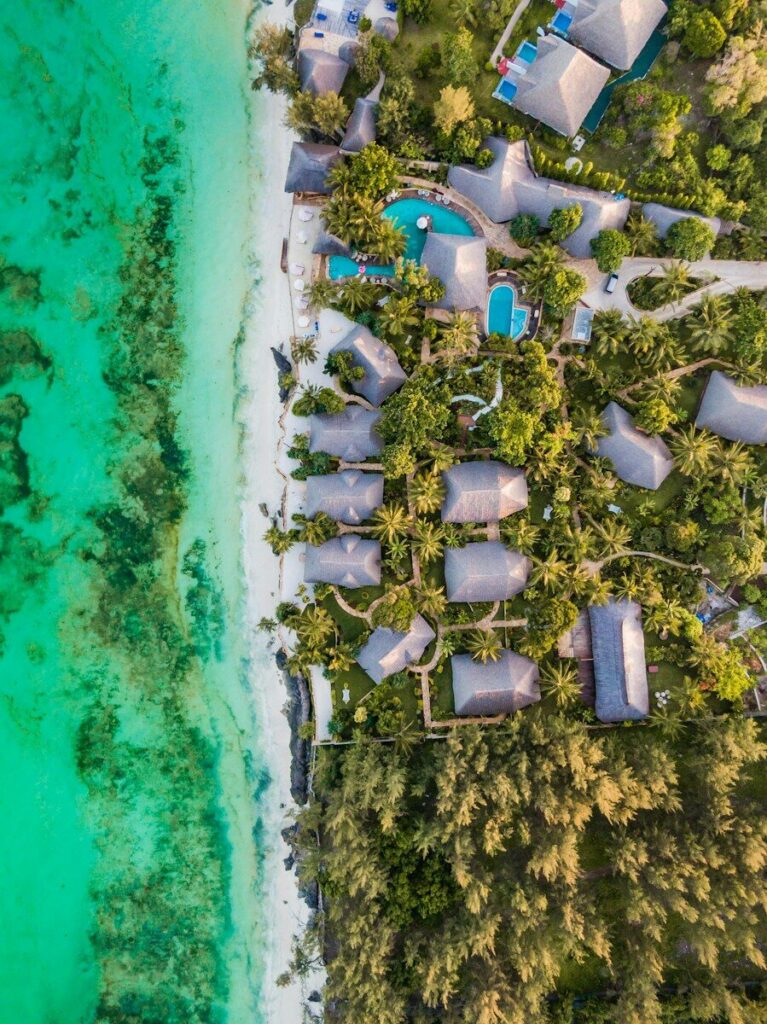
Diani Beach, about 30–35 km south of Mombasa in Kwale County, is widely regarded as one of Kenya’s finest beaches and a highlight of Coastal Kenya and Zanzibar travel. Its 17-kilometre stretch of fine white coral sand is lined with swaying palms and casuarina trees, while the protective reef creates a calm turquoise lagoon ideal for swimming, relaxation, and water activities.
Climate
Tropical coastal climate. Daytime temperatures typically range from 26–32°C year-round, with high humidity tempered by ocean breezes. Sea temperatures stay warm (25–29°C). Two main dry seasons: December–March (hotter, calmer seas) and June–October (slightly cooler, lower humidity, excellent visibility). Long rains fall mainly April–May; short rains in November are lighter and more scattered.
Culture
The area is home to Mijikenda communities, particularly the Digo people. Traditional practices include sacred kaya forests (community-conserved woodlands), ngalawa outrigger canoe racing and classic coastal Swahili cuisine. Nearby villages offer insights into local life, while the beach scene mixes relaxed African hospitality with international resorts.
When to Visit
Best overall: January–March and July–October are the best times to visit Coastal Kenya and Zanzibar, offering reliable sunshine, calm or manageable seas, and ideal conditions for swimming and water activities. June–October also pairs perfectly with Kenya’s peak safari season. If possible, avoid the heaviest rains in April–May, although this period offers lower prices and lush, green scenery across Coastal Kenya and Zanzibar.
Top Activities
- Snorkelling and diving on the fringing reef and at Kisite-Mpunguti Marine Park (dolphins, turtles, colourful fish).
- Kitesurfing and windsurfing (stronger winds June–September).
- Dhow or boat trips to Wasini Island for seafood lunch and marine park exploration.
- Colobus Conservation centre visits to see endangered black-and-white colobus monkeys.
- Beach walks, camel rides, skydiving, deep-sea fishing and sunset cruises.
- Day trips to Shimba Hills National Reserve for elephants and coastal forest.
- Cultural village tours and Kaya Kinondo sacred forest walks.


Mombasa Beaches & City – History Meets the Shore
Mombasa, Kenya’s second-largest city and historic port, combines vibrant urban energy with beautiful beaches and rich cultural heritage, making it a must-visit destination in Coastal Kenya and Zanzibar travel. North of the city, Nyali, Bamburi, and Shanzu offer stunning white-sand beaches, while the south coast, accessed via the Likoni Ferry, provides a more relaxed tropical escape. In the heart of Mombasa, Old Town and Fort Jesus showcase the city’s fascinating Swahili and colonial history, adding to the unique appeal of Coastal Kenya and Zanzibar.
Climate
Similar to Diani: warm tropical conditions year-round (28–32°C daytime averages). Best beach weather December–March and June–October. Humidity is higher in the city, but sea breezes help.
Culture
Mombasa is a living melting pot. Swahili, Arab, Indian and African influences appear in the architecture of Old Town (carved doors, coral buildings), the spice markets, taarab and chakacha music, and the cuisine—biryani, pilau, coconut fish curries, mishkaki and fresh seafood. Fort Jesus, a Portuguese fortress built in 1593 and now a UNESCO site, stands as a powerful reminder of the city’s strategic past.
When to Visit
December–March is ideal for hot, sunny beach days in Coastal Kenya and Zanzibar, while June–October offers cooler, drier conditions perfect for sightseeing and outdoor activities. The annual Mombasa Carnival, usually held in November, celebrates the region’s cultural diversity with colourful parades, music, traditional dances, and delicious local food, making it a highlight of Coastal Kenya and Zanzibar travel.
Top Activities
- Exploring Fort Jesus and Mombasa Old Town on foot.
- Relaxing or watersports at Nyali, Bamburi or Shanzu beaches.
- Snorkelling in Mombasa Marine National Park.
- Haller Park (wildlife sanctuary created from a rehabilitated quarry).
- Dhow cruises, deep-sea fishing and sunset sailing.
- Shopping for kangas, spices and crafts in local markets.
- Day trips south to Diani or north toward Malindi and Watamu.


Watamu – Quiet Bays, Coral Gardens & Ancient Ruins
Watamu, a beautiful destination along Coastal Kenya and Zanzibar, lies about 15–20 km south of Malindi and 100–110 km north of Mombasa. This relaxed coastal escape is known for its three white-sand bays, crystal-clear waters, and one of East Africa’s oldest marine parks. Blending Swahili heritage with subtle Italian influences in its restaurants and gelato spots, Watamu offers a unique tropical experience for travellers exploring Coastal Kenya and Zanzibar.
Climate
Tropical coastal climate with temperatures typically 25–32°C year-round. Sea remains warm. Best conditions for calm seas and excellent visibility run from December–March (hot and dry) and July–October (slightly cooler and breezier). Long rains April–June bring heavier showers and reduced visibility; short rains around November are lighter. Whale sharks are often seen December–March, while turtle nesting peaks in certain months.
Culture
Watamu sits firmly within the Swahili cultural sphere. Local life revolves around fishing, the sea and Islamic traditions. Nearby Gede (Gedi) Ruins—an abandoned 12th–17th century Swahili town now reclaimed by forest—offer one of the most atmospheric historical sites on the Kenyan coast. The surrounding area includes Arabuko-Sokoke Forest (East Africa’s largest remaining coastal forest) and Mida Creek mangroves, adding natural and cultural depth. Cuisine features fresh seafood, coconut-based dishes and Swahili staples, with a cosmopolitan touch from long-standing international residents.
When to Visit
The best time to visit Coastal Kenya and Zanzibar is December–March, when warm sunshine, calmer seas, and excellent snorkelling conditions prevail, with opportunities to spot whale sharks. July–October offers comfortable temperatures, good underwater visibility, and fewer crowds outside peak holiday periods. Both seasons are ideal for combining beach holidays with wildlife safaris. April–June is generally quieter and more affordable, although rainfall is higher across Coastal Kenya and Zanzibar
Top Activities
- Snorkelling and diving in Watamu Marine National Park—coral gardens close to shore with hundreds of fish species, turtles and occasional rays or reef sharks. Glass-bottom boat trips are ideal for non-swimmers and families.
- Visiting Gede Ruins, the atmospheric remains of a once-prosperous Swahili trading town hidden in coastal forest (monkeys often present).
- Exploring Mida Creek by canoe, kayak or boardwalk for mangroves, birdlife and peaceful sunsets.
- Turtle conservation visits—local centres rescue and rehabilitate sea turtles and protect nesting beaches.
- Walking or guided trips in Arabuko-Sokoke Forest for endemic birds, elephant shrews and coastal woodland.
- Deep-sea fishing, kitesurfing, stand-up paddleboarding and relaxed beach time on Watamu Beach, Turtle Bay or Blue Lagoon.
- Day trips to Malindi (Vasco da Gama Pillar, historic town) or further afield to Marafa Depression (Hell’s Kitchen).
Watamu appeals especially to travellers seeking a quieter pace, outstanding marine experiences and easy access to both history and nature.


Lamu Island – Timeless Swahili Living
The Lamu Archipelago, off Kenya’s northern coast, is a captivating highlight of Coastal Kenya and Zanzibar, offering a journey into centuries-old Swahili culture. Lamu Old Town, a UNESCO World Heritage Site, is renowned for its beautifully preserved Swahili architecture and historic streets. With no cars on the island, transport relies on walking, donkeys, and traditional dhows, creating a unique cultural experience across Coastal Kenya and Zanzibar.
Climate
Warm tropical weather (25–32°C). Dry seasons January–March and June–October offer the best conditions for sailing and beaches. April–May brings heavier rains; November has lighter showers and the famous Lamu Cultural Festival.
Culture
Lamu is the purest expression of traditional Swahili life. Narrow streets, ornate carved doors, coral-stone houses, the call to prayer, donkey processions and a strong Islamic heritage define the island. The annual Maulidi festival celebrates the Prophet Muhammad’s birthday with poetry, processions and music. Local craftsmanship—wood carving, boat building and weaving—continues in villages such as Matondoni.
When to Visit
The best time to explore Coastal Kenya and Zanzibar, including Lamu, is January–March and July–October, when dry weather and calmer seas create ideal conditions for cultural tours and dhow trips. November is perfect for experiencing the Lamu Cultural Festival, featuring dhow races, donkey races, poetry, and traditional crafts. Shoulder months offer lower prices and fewer visitors across Coastal Kenya and Zanzibar.
Top Activities
- Wandering Lamu Old Town and visiting the Lamu Museum and Fort.
- Long walks or relaxation on Shela Beach (12+ km of golden sand backed by dunes).
- Sunset or multi-hour dhow sailing trips.
- Island-hopping to Manda (Takwa Ruins) or other nearby islands.
- Snorkelling, fishing, kayaking or paddleboarding.
- Visiting the Donkey Sanctuary and traditional dhow-building workshops.
- Experiencing local Swahili cuisine and village life.


Zanzibar – The Spice Islands
Zanzibar, comprising Unguja and the surrounding islands, lies about 25–30 km off Tanzania’s mainland. Famous for its pristine beaches, historic Stone Town, and rich spice heritage, it offers a unique tropical escape and a perfect complement to Coastal Kenya and Zanzibar holidays.
Climate
Tropical, with average temperatures 25–32°C. Long dry season June–October (cooler, less humid, best overall); short dry season December–February (hotter). Long rains March–May; short rains around November. Sea remains warm year-round.
Culture
Zanzibar’s culture is deeply Swahili with strong Arab and Indian influences. Stone Town (UNESCO) is a maze of alleyways, carved doors, palaces, markets and the lingering scent of cloves and spices. The island was a major centre of the slave and spice trades. Today, Islamic traditions, taarab music, and a cuisine rich in seafood, coconut and spices define daily life. The name “Zanzibar” itself comes from Persian/Arabic roots meaning roughly “coast of the blacks” or “black coast” (Zang/Zanj + bar).
When to Visit
June–October is ideal for exploring Coastal Kenya and Zanzibar, offering reliable dry weather and comfortable temperatures for sightseeing and beach activities. December–February brings hotter conditions and excellent swimming opportunities. If possible, avoid the heaviest long rains for a more enjoyable holiday across Coastal Kenya and Zanzibar.
Which Side of Zanzibar Has Better Beaches?
Choosing the best beach depends on your priorities when exploring Coastal Kenya and Zanzibar. Zanzibar’s north coast, including Nungwi and Kendwa, offers excellent swimming beaches, minimal tidal variation, spectacular sunsets, and well-developed tourist facilities. The east coast, including Paje, Jambiani, and Matemwe, features powder-white sands, dramatic tides, and a relaxed atmosphere, making it ideal for kitesurfing, beach walks, and authentic local experiences. For travellers seeking peaceful escapes, the southeast offers greater seclusion. Whether you prefer adventure or relaxation, Coastal Kenya and Zanzibar offer diverse beach experiences. From lively northern shores to tranquil eastern beaches, Coastal Kenya and Zanzibar cater to different travel styles. Consider tides, activities, and accessibility when planning your Coastal Kenya and Zanzibar holiday.
Top Activities
- Exploring Stone Town (Palace Museum, House of Wonders, slave market site, Forodhani night market).
- Beach time and water sports—snorkelling, diving (especially around Mnemba Atoll), kitesurfing in Paje.
- Spice farm tours.
- Prison Island (giant tortoises), Nakupenda sandbank, dolphin trips from Kizimkazi.
- Sunset dhow cruises and traditional seafood dinners.
- Jozani Forest for red colobus monkeys.
Answering Your Key Questions
Which is better, Kenya or Zanzibar beaches?
There is no single winner when comparing Coastal Kenya and Zanzibar—it depends on your travel preferences. Kenya’s Diani and Watamu offer beautiful white-sand beaches, protected lagoons, and excellent opportunities to combine beach holidays with wildlife safaris. Zanzibar stands out for its diverse beaches, tropical island atmosphere, spice tours, and historic Stone Town. Many travellers choose to combine both destinations for a memorable East African adventure. Wayvora Safaris can create a personalised itinerary exploring the best of Coastal Kenya and Zanzibar.
What was the Swahili Coast known for?
The Swahili Coast was a network of independent trading city-states that connected the African interior with the wider Indian Ocean world for over a millennium. At its height, roughly between the 12th and 15th centuries, it traded gold, ivory, timber, and other goods while importing luxury items from Asia and the Middle East. This exchange shaped the sophisticated Swahili culture that remains central to Coastal Kenya and Zanzibar, influencing the region’s architecture, language, cuisine, and traditions today.
What is the name of the famous beach resort in Kenya?
Diani Beach is one of the most famous destinations along Coastal Kenya and Zanzibar, offering beautiful white sands, turquoise waters, and a wide selection of beachfront resorts. Properties such as Swahili Beach Resort are known for combining luxury with elegant Swahili-inspired architecture, while Baobab Beach Resort and other boutique and large-scale properties provide a range of accommodation options for travellers seeking relaxation and tropical charm.
Which side of Zanzibar has better beaches?
North coast (Nungwi/Kendwa) for reliable all-day swimming and sunsets; east coast (Paje and surrounds) for dramatic white sands, kitesurfing and a more local feel (tide-dependent swimming).
Why is Zanzibar called Zanzibar?
The name derives from Persian Zangibār or Arabic Zanjibār, combining “Zang/Zanj” (referring to black-skinned peoples of the East African coast) with “bār” (coast or shore). It essentially means “coast of the blacks” or “black coast.”
What to be careful of in Zanzibar?
Zanzibar is generally safe for tourists, but common issues include:
- Persistent beach boys/touts (papasi) offering tours, spices or other services—polite but firm “No, thank you” (or “La, asante”) works best.
- Overcharging by unofficial taxi drivers or guides—agree prices in advance and prefer hotel-arranged transfers or licensed operators.
- Petty theft in crowded Stone Town markets or busy beach areas—keep valuables secure and avoid displaying expensive items.
- Unofficial spice tours or dhow trips sold on the street—book through your hotel or reputable operators.
- Tides on the east coast (check times for swimming).
- Dress modestly away from the beach (cover shoulders and knees in towns).
- Standard tropical precautions: mosquito protection, bottled water, and sun care.


Planning Your Journey with Wayvora Safaris
Whether you want a pure beach holiday, a culture-focused itinerary, or a seamless safari-to-coast combination, Wayvora Safaris designs tailored experiences across Coastal Kenya (Diani, Mombasa, Watamu, Lamu) and Zanzibar. From private transfers and carefully selected accommodations to guided cultural walks, marine excursions, Gede Ruins visits and spice tours, the team handles the details so you can simply enjoy the sand, sea and Swahili soul of the region.
The beaches of Coastal Kenya—from lively Diani and historic Mombasa to the marine-rich bays of Watamu and the timeless island of Lamu—together with Zanzibar’s spice-scented shores, deliver more than postcard views. They invite you into a living culture shaped by the monsoon winds, centuries of trade and the enduring spirit of the Swahili people. With thoughtful planning—and the right local expertise—you can experience both the timeless beauty of the shores and the rich heritage that makes this coastline unforgettable.
Ready to explore? Contact Wayvora Safaris to start designing your perfect coastal journey that weaves together beaches, history and the full depth of Swahili culture.
1. How many days do I need for Coastal Kenya and Zanzibar?
A minimum of 7–10 days works well for a satisfying mix (e.g., 3–4 nights Diani or Watamu + 3–4 nights Zanzibar, or adding Lamu). Longer stays allow deeper exploration of multiple destinations.
2. Can I combine a Kenya safari with these beaches?
Yes—this is one of the classic East African itineraries. Most visitors do safari first (Masai Mara, Amboseli, Tsavo, etc.) then fly or drive to the coast for relaxation. Watamu and Diani both work excellently as beach extensions.
3. Is the water safe for swimming year-round?
Generally yes in lagoon areas protected by reefs, though conditions vary with tides (especially Zanzibar’s east coast) and occasional seaweed. Always follow local advice and hotel guidance. Watamu’s marine park offers some of the clearest, most accessible snorkelling on the Kenyan coast.
4. What is the best way to travel between these destinations?
Domestic flights are efficient (Mombasa–Zanzibar, Nairobi–Lamu/Manda, Malindi/Watamu connections, etc.). Road and ferry transfers work for shorter hops along the Kenyan coast. Wayvora Safaris arranges seamless connections.
5. Do I need any special vaccinations or malaria precautions?
Consult a travel health professional. Malaria risk exists on the coast; prophylaxis is often recommended. Yellow fever may be required depending on your itinerary and origin. Standard routine vaccinations plus typhoid and hepatitis A are commonly advised.